Contrary to popular belief, a higher flavour percentage doesn’t guarantee a better taste; professional e-liquids achieve their impact through chemical precision, not brute force.
- Commercial success hinges on using sensory modifiers (sweeteners, coolants) and understanding base liquid chemistry (PG as a superior flavour carrier).
- Inaccurate measurements, cross-contamination, and improper steeping chemically alter your mix, muting or creating off-notes.
Recommendation: Stop guessing percentages and start controlling your mix like a formulator by mastering steeping times, using precision scales, and preventing contamination.
You’ve meticulously followed the online recipe. You bought the recommended flavour concentrates, mixed them at a seemingly potent 15%, and let the bottle sit in a dark cupboard. Yet, upon the first vape, the disappointment is palpable. It’s weak, oddly harsh, or just a pale imitation of the rich, layered flavour from a shop-bought bottle. It’s a common frustration for UK vapers venturing into home mixing, leading many to believe that commercial producers possess some unattainable magic.
The standard advice is often a collection of platitudes: “steep it longer,” “use more flavouring,” or “buy better concentrates.” While not entirely wrong, this advice misses the fundamental point. Commercial e-liquid formulation is a science, closer to chemistry and perfumery than to kitchen-table cooking. The secret isn’t just about the percentage of flavour; it’s about understanding the chemical interactions between your ingredients and how they are perceived.
The real key lies in moving beyond brute-force percentages and adopting the mindset of a formulator. It’s about controlling variables with precision. This involves understanding how Propylene Glycol (PG) acts as a superior flavour carrier, why certain flavour molecules require weeks to homogenize while others are ready in days, and how subtle, non-flavour additives can completely transform the sensory experience. The gap between your DIY mix and a commercial product isn’t magic; it’s a knowledge gap.
This guide will deconstruct the science behind successful e-liquid mixing. We will explore why a lower percentage commercial juice can taste stronger, how to calculate your mixes with scientific accuracy, where to source the correct ingredients within UK regulations, and how to master the crucial processes of steeping and handling to finally close the gap between your homebrew and professional quality.
To navigate this complex topic, we’ve structured this guide to address the most critical questions a DIY mixer faces. The following sections will provide a clear roadmap, moving from the theory of flavour perception to the practical steps for achieving a perfect, repeatable mix.
Summary: Why Your DIY E-Liquid Tastes Nothing Like a Shop-Bought Bottle
- Why Your 15% Flavour Mix Tastes Weaker Than a 5% Commercial Juice?
- How to Calculate a 70VG/30PG Mix at 6mg Without a Degree in Mathematics?
- Where to Buy TPD-Compliant Nicotine Shots for DIY Mixing in the UK?
- The Syringe Mistake That Contaminates 500ml of E-Liquid With Off-Flavours
- How Long to Steep Your DIY Mix Before Judging Whether It Actually Works?
- Why High-PG Liquids Taste More Intense but Produce Less Visible Vapour?
- USP-Grade vs Food-Grade Nicotine: Which Is Safer for Inhalation?
- Why Does Pharmaceutical-Grade PG Cost 5x More Than Industrial PG?
Why Your 15% Flavour Mix Tastes Weaker Than a 5% Commercial Juice?
The most common misconception in DIY e-liquid is that flavour intensity is directly proportional to the percentage of concentrate used. This leads to the frustrating scenario where your 15% or even 20% mix tastes muted and flat, while a 5% commercial liquid is bursting with flavour. The reason isn’t magic; it’s chemistry. Commercial formulators aren’t just dumping in more flavour; they are using a sophisticated toolkit of sensory modifiers and enhancers that trick your palate into perceiving a stronger, brighter, and more complex taste.
These additives don’t add a primary flavour themselves but instead amplify or alter existing ones. Sweeteners like Sucralose or Ethyl Maltol do more than just add sweetness; they can enhance specific aromatic compounds, making a fruit flavour seem “riper” or a bakery note “richer.” Sour agents like Malic Acid can make a candy profile “pop” without making it taste overtly sour. Similarly, cooling agents like WS-23 provide a cooling sensation without the taste of mint, adding a dimension of temperature that your brain interprets as part of the flavour experience.
Furthermore, commercial brands obsess over the final texture and “mouthfeel” of the vapour. Additives like Triacetin or MTS Vape Wizard add a perceived thickness and smoothness that your home mix, likely just VG, PG, nicotine, and flavour, will lack. This difference in mouthfeel contributes significantly to the overall perception of quality and richness. As experts from DIY OR DIE Vaping note, “Commercial brands fine-tune their VG/PG ratio to match their specific flavour profile, a step often overlooked by beginners.” It’s this combination of precise base liquid ratios and a cocktail of subtle enhancers that creates the powerful sensory illusion of a strong flavour, even at a low total percentage.
Your Action Plan: Auditing Your Flavour Profile
- Identify the Core Profile: List the primary flavours you are trying to create (e.g., strawberry, cream, biscuit). What is the intended final taste?
- Collect Enhancer Tools: Inventory the sensory modifiers you have. Do you have a sweetener (Sucralose), a sour agent (Malic Acid), or a cooling agent (WS-23)? These are your tools.
- Assess for Coherence: Confront your core profile with your tools. Does a creamy dessert need more perceived sweetness? Does a simple fruit need a sour kick to feel authentic?
- Benchmark for Impact: Create small 10ml test batches. In one, add just 0.5% sweetener. In another, just 0.25% sour. Compare them to your original un-enhanced mix. Is the effect unique and positive, or generic?
- Plan for Integration: Based on your tests, create a new recipe that incorporates the most effective enhancers at low percentages. This is your new, refined formula to scale up.
How to Calculate a 70VG/30PG Mix at 6mg Without a Degree in Mathematics?
The mathematics of e-liquid mixing can appear daunting, especially when juggling target nicotine strengths, VG/PG ratios, and multiple flavour concentrates that are themselves PG-based. A small error in calculation can ruin a large batch, resulting in a liquid that’s too harsh from excess nicotine or too thin from an incorrect VG/PG balance. While manual calculation is possible, it’s prone to human error. The professional standard, and the simplest method for beginners, is to use a dedicated e-liquid calculator and mix by weight, not volume.
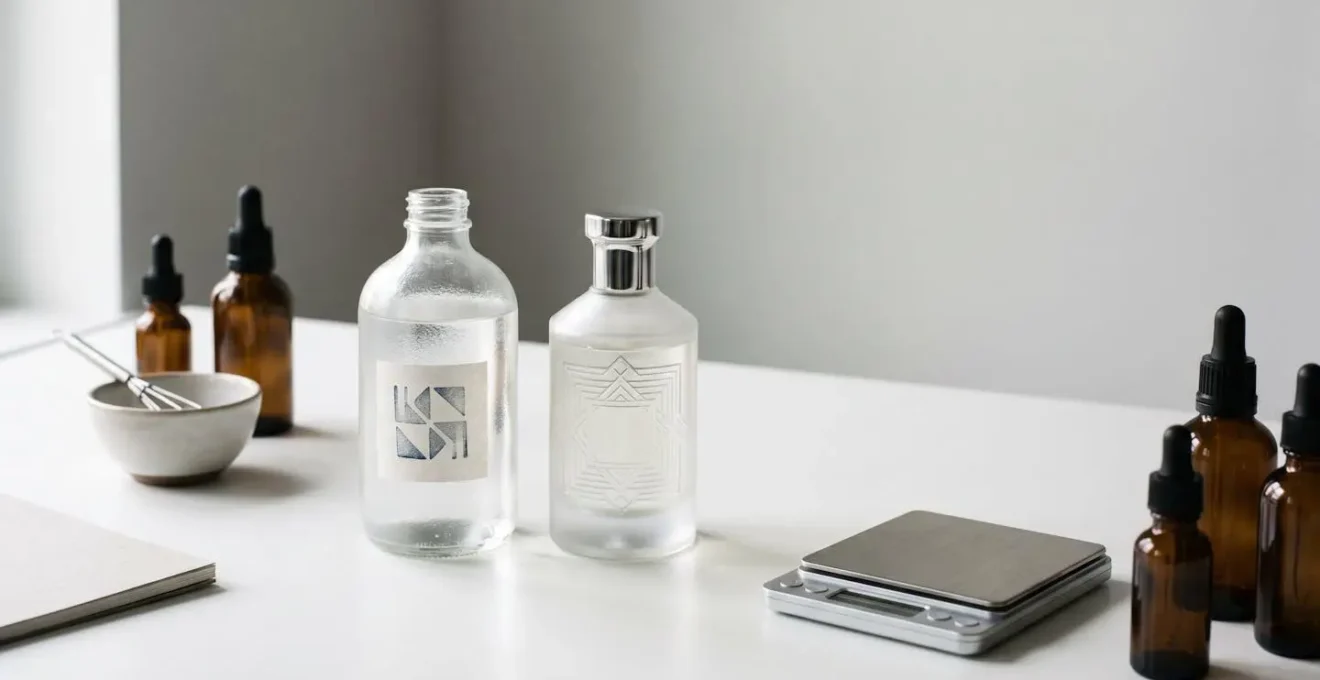
Mixing by weight using a digital scale with 0.01g precision is vastly more accurate than using syringes (volume). Liquids change density with temperature, but their mass remains constant. A good e-liquid calculator will convert your desired percentages and millilitres into precise gram measurements for each component: VG, PG, nicotine shots, and flavourings. You simply place your bottle on the scale, tare it to zero, and add each ingredient until you hit the target weight shown by the calculator. This eliminates guesswork and the inaccuracies of reading syringe markings.
Fortunately, the UK vaping community has access to several excellent, user-friendly online calculators designed to handle TPD-compliant nicotine shots (typically 18mg or 20mg in 10ml bottles). These tools automatically account for the VG/PG and nicotine content of your shots when calculating the final mix, simplifying the process immensely. You enter your target bottle size, desired nicotine strength (e.g., 6mg), and final VG/PG ratio (e.g., 70/30), and the calculator does the heavy lifting, providing a clear recipe in grams.
To help you choose the right tool, the following table compares three popular e-liquid calculators widely used by UK DIY mixers. As an analysis of e-liquid calculators shows, each has unique features tailored to different levels of expertise, from the absolute beginner to the advanced formulator.
| Calculator | Weight Mixing Support | TPD Nic Shot Handling | Best For | Key Feature |
|---|---|---|---|---|
| Vaping Hardware E-Liquid Calculator | Yes (grams, ml, drops) | Dedicated Shortfill Calculator | Beginners | Displays results in multiple formats simultaneously |
| Make My Vape Calculator | Yes | Automatic ratio adjustment | Mobile users | Fully responsive design for all devices |
| iChor Liquid Calculator | Yes (0.1g precision) | Advanced diluent options | Advanced mixers | Comprehensive ingredient breakdown with percentages |
Where to Buy TPD-Compliant Nicotine Shots for DIY Mixing in the UK?
Sourcing the correct nicotine is the most critical safety step in DIY mixing. In the UK, the Tobacco Products Directive (TPD) strictly regulates the sale of nicotine-containing e-liquids. This means you cannot legally buy high-strength nicotine base in large bottles. Instead, all nicotine for DIY use is sold in the form of TPD-compliant “nicotine shots” or “nic shots.” Understanding what these are and where to buy them from reputable sources is non-negotiable for both safety and legality.
A standard nic shot is a 10ml bottle of unflavoured e-liquid, typically containing nicotine at a strength of 18mg/ml or 20mg/ml. Adding one 18mg shot to 50ml of nicotine-free liquid (a “shortfill”) creates 60ml of 3mg e-liquid. For DIY from scratch, you’ll use these shots as your sole source of nicotine, calculating how many are needed to reach your target strength. Crucially, UK TPD regulations for nicotine-containing products dictate this format, ensuring that consumers are not handling dangerously high concentrations of nicotine.
It is imperative to purchase nic shots only from established and reputable UK vape vendors. These suppliers ensure their products are fully TPD-compliant, meaning they are manufactured to high purity standards, are properly registered with the MHRA, and feature the necessary safety warnings. Buying from unknown online marketplaces or international sellers who bypass TPD rules is incredibly risky, as you have no guarantee of the nicotine’s purity, strength, or origin. Below are some reputable UK vendors known for their quality and compliance:
- Best for Bulk/Budget: DATT Vape Distro offers wholesale access for trade accounts, providing pharmaceutical-grade nicotine from trusted UK manufacturers at competitive prices.
- Widest Variety: Vape UK is an excellent choice for variety, offering 10mg, 18mg, and 20mg strengths in both freebase and nicotine salt options, with multiple VG/PG ratios available.
- Best One-Stop-Shop: The Brews Bros sell TPD-compliant nic shots individually or in larger packs, all with valid ECID numbers, making them a reliable source alongside their wide range of flavour concentrates.
The Syringe Mistake That Contaminates 500ml of E-Liquid With Off-Flavours
One of the most insidious ways a DIY mix can be ruined is through cross-contamination, a phenomenon often referred to as “flavour ghosting.” This happens when you use the same syringe for multiple flavour concentrates. You might rinse it with water, believing it’s clean, but then your delicate vanilla custard mix ends up with a bizarre, lingering hint of aniseed from a previous project. This single mistake can contaminate an entire batch, wasting hundreds of millilitres of liquid and expensive ingredients.
The science behind this is simple: many flavour compounds, especially potent ones like menthol, aniseed, or certain dark tobaccos, are lipophilic (oil-loving). They are not easily soluble in water but readily bond with the plastic of a syringe. A quick water rinse is insufficient to remove these stubborn molecules. When you then draw a new flavour into that same syringe, these “ghost” molecules leach out, contaminating your new ingredient and, ultimately, your final mix. The only way to prevent this is through a strict protocol for handling your mixing tools.
The professional solution is to eliminate the risk entirely. This can be achieved either by dedicating a separate, labelled syringe for every single flavour concentrate you own or, more practically, by adopting a system that isolates potent flavours. A more advanced, but highly effective, method is to move away from syringes for flavourings altogether and mix by weight using disposable pipette droppers for concentrates, as this guarantees zero cross-contamination. A thorough guide on DIY vape juice details several protocols to prevent this common failure.
To avoid contaminating your next batch, follow this advanced syringe protocol:
- Dedicate Syringes by Flavour Category: At a minimum, have separate, clearly labelled syringes for potent flavour categories. Menthol, aniseed, coffee, and cinnamon should never share a syringe with anything else.
- Maintain a “Master Base” Syringe: Use one large syringe exclusively for your neutral base liquids (VG and PG). This ensures your base never gets tainted with any flavour.
- Implement a Pro Cleaning Protocol: If you must reuse a syringe, do not just use water. Wash it thoroughly with pure, unflavoured Propylene Glycol or a neutral spirit like unflavoured vodka. These act as solvents that can strip the flavour oils that water leaves behind.
- Consider Disposable Pipettes: For maximum purity, use single-use disposable pipette droppers for adding flavour concentrates when mixing by weight. This completely eliminates the risk of cross-contamination.
How Long to Steep Your DIY Mix Before Judging Whether It Actually Works?
“Just steep it longer” is perhaps the most common, yet frustratingly vague, piece of advice in the DIY community. Steeping is not a magical process; it is a combination of chemical reactions, primarily homogenization and oxidation, that require a specific amount of time depending on the ingredients. Judging a complex dessert flavour after three days is as pointless as steeping a simple fruit flavour for six weeks. Understanding the science of steeping allows you to set realistic expectations and know precisely when your e-liquid is at its peak.
Homogenization is the process where the different molecules of your flavourings, VG, PG, and nicotine blend into a uniform solution. Oxidation is a slower reaction with air in the bottle that can mature and change certain flavour compounds. For complex profiles like creams, custards, and tobaccos, steeping also facilitates the Maillard reaction, a chemical process between amino acids and reducing sugars that creates the rich, deep, and slightly browned notes we associate with baked goods. This reaction is time-dependent and simply cannot be rushed.
The time required is largely dictated by the molecular weight and complexity of the flavour compounds. Simple fruit and menthol flavours have a low molecular weight; they homogenize quickly and are often ready to vape within 1-3 days. Conversely, complex custards, creams, and tobaccos are built from heavier, more intricate molecules that require weeks to fully integrate and mature. As a comprehensive guide to steeping shows, different flavour profiles have vastly different maturation curves.
Case Study: Vapable’s Steeping Beta Test on Custard vs. Fruit
To provide objective data, Vapable conducted controlled steeping tests where participants evaluated two different e-liquids (a custard and a fruit blend) on a weekly basis for four weeks. All testers used identical devices with fresh cotton for each tasting. The crowd-sourced data definitively proved that steeping objectively improved both liquids over time. However, the custard profile showed dramatic improvements in flavour potency and authenticity between weeks 2 and 4, while the fruit flavour’s improvements plateaued much earlier, around week 1. These results demonstrate that steeping is not merely a matter of subjective preference but a necessary chemical process, particularly for complex dessert profiles to reach their full potential.
The following table provides a reliable guide for steeping times based on your e-liquid’s flavour profile.
| Flavour Category | Minimum Steep Time | Optimal Steep Time | Reason for Duration |
|---|---|---|---|
| Simple Fruits & Menthol | 1-3 days | 1 week maximum | Low molecular weight compounds, rapid homogenization |
| Creams & Custards | 2 weeks | 3-4 weeks | Maillard reaction requires time for flavor richening and color darkening |
| Complex Desserts/Bakeries | 1 week | 2-3 weeks | Multiple flavor layers need integration without overpowering |
| Tobacco Blends | 2 weeks | 4+ weeks | Complex aromatic compounds with highest molecular weight require extensive maturation |
Why High-PG Liquids Taste More Intense but Produce Less Visible Vapour?
The ratio of Propylene Glycol (PG) to Vegetable Glycerin (VG) is the foundational decision of any e-liquid recipe, and it fundamentally dictates both flavour intensity and vapour production. Many beginners, chasing the huge clouds they see online, default to a high-VG mix (like 70/30 or 80/20) without realizing they are sacrificing flavour. The trade-off is rooted in the distinct chemical properties of these two base liquids.
Propylene Glycol (PG) is a superior flavour carrier. It is a thinner, less viscous liquid with stronger solvent properties than VG. This means it dissolves and carries flavour concentrates more effectively, delivering a sharper, more defined taste to your palate. It also provides the “throat hit” that many former smokers seek, simulating the sensation of smoking. However, PG is less effective at producing vapour. Its lower viscosity and different chemical structure mean it vaporizes into smaller, less dense particles, resulting in a more discreet cloud.
Vegetable Glycerin (VG), conversely, is the engine of vapour production. It is a much thicker, more viscous liquid and is highly hygroscopic, meaning it readily absorbs moisture. When heated, it vaporizes into a dense, thick cloud of large particles, creating the impressive visual effect desired by cloud chasers. However, its thickness and weaker solvent properties mean it mutes flavour concentrates. A high-VG liquid will inherently taste sweeter and less defined than its high-PG counterpart, requiring either higher flavour percentages or the use of enhancers to compensate.
This chemical dichotomy also has practical hardware implications. The choice of ratio must match your device. High-PG liquids work best in low-wattage, mouth-to-lung (MTL) devices like pods and starter kits, as their thin consistency wicks easily into small coils. Attempting to use a thick, high-VG liquid in such a device can lead to dry hits and burnt coils. Conversely, high-VG liquids are designed for high-wattage, direct-to-lung (DTL) sub-ohm tanks, where larger wicking channels can handle the thicker liquid. It’s crucial to tailor your base ratio not only to your desired flavour and cloud but also to your hardware, according to UK vape device categories and wicking requirements.
USP-Grade vs Food-Grade Nicotine: Which Is Safer for Inhalation?
When sourcing ingredients for DIY e-liquid, particularly nicotine, you may encounter terms like “Food-Grade,” “USP-Grade,” or “EP-Grade.” While they might sound similar, the distinction between them is monumental, especially concerning safety for inhalation. The only acceptable standard for any ingredient in your e-liquid—be it nicotine, PG, or VG—is pharmaceutical grade, designated as USP (United States Pharmacopeia) or EP (European Pharmacopoeia).
“Food-Grade” simply means an ingredient is safe for human consumption (eating). This standard allows for a certain level of impurities that, while harmless when digested, can be toxic when vaporized and inhaled directly into the lungs. The purification and testing processes for food-grade ingredients are far less stringent than for their pharmaceutical counterparts. Using food-grade nicotine or bases is a significant and unnecessary risk.
USP/EP grade, on the other hand, is the standard required for ingredients used in medical and pharmaceutical applications. This guarantees an extremely high level of purity, with documented and tested limits on a wide range of potential contaminants, including heavy metals and other harmful substances. For nicotine, this is especially critical. As the expert vendor DATT Vape Distro clearly states in their documentation:
All legally sold nicotine-containing e-liquid and nic shots in the UK and EU must use pharmaceutical-grade (USP/EP) nicotine, ensuring a high level of purity.
– DATT Vape Distro, Nicotine Shots Wholesale UK Collection
This legal requirement is your safeguard. Any reputable UK vendor will exclusively sell USP/EP grade nicotine, PG, and VG. These products will have a guaranteed purity standard of over 99.8% with documented limits on impurities like lead and arsenic, ensuring what you are inhaling is as pure as technologically possible. The price difference between industrial or food-grade and pharmaceutical-grade ingredients reflects this rigorous testing and purification process. For the sake of your health, never compromise on this standard.
Key Takeaways
- Flavour intensity comes from chemical synergy and sensory enhancers, not just high percentages.
- Mixing by weight with a digital scale and using an e-liquid calculator is the most accurate and repeatable method.
- Steeping is a chemical process; its duration depends entirely on the molecular weight of your flavour profile (e.g., fruits are fast, custards are slow).
Why Does Pharmaceutical-Grade PG Cost 5x More Than Industrial PG?
When starting out, it can be tempting to cut costs by seeking cheaper base liquids online. You might find “industrial grade” Propylene Glycol for a fraction of the price of the “pharmaceutical grade” PG sold by vape suppliers and wonder if the premium is just marketing. The price difference, however, is not arbitrary; it is a direct reflection of a rigorous, multi-stage purification and testing process that is absolutely critical for your safety.
Industrial-grade PG is produced for use in applications where ingestion or inhalation is not intended, such as in antifreeze, de-icing solutions, or as a solvent in paints. The manufacturing process allows for a significant margin of impurities and contaminants, as they do not pose a risk in those contexts. Pharmaceutical-grade (USP/EP) PG, however, is manufactured with the explicit intention of being used in medical products, cosmetics, and, by extension, vaping products. It must undergo extensive purification to remove harmful contaminants and is then rigorously tested to guarantee a purity of over 99.5%. This process comes with a documented chain of custody, ensuring its quality from production to bottling.
The danger of using non-pharmaceutical grade ingredients is not theoretical. A historical crisis in the early, unregulated days of e-cigarettes serves as a stark reminder of why these standards are now law in the UK and EU.
Case Study: The Diethylene Glycol (DEG) Contamination Crisis
In the early days of vaping, before strict regulations like the TPD were in place, some unregulated e-cigarette manufacturers used low-cost, industrial-grade propylene glycol to save money. A subsequent investigation found that some of these products were contaminated with diethylene glycol (DEG), a highly toxic chemical cousin of PG used in antifreeze and a known poison. This contamination crisis, which led to serious health concerns, was a primary catalyst for the stringent regulations now enforced in the UK and EU. These laws mandate the exclusive use of USP/EP pharmaceutical-grade ingredients for all vaping products, effectively eliminating the risk of such contamination. The price premium for pharmaceutical-grade PG directly pays for the purification and testing processes that guarantee the complete absence of harmful contaminants like DEG.
That five-fold price increase is, in essence, the cost of assurance. It pays for the peace of mind that comes from knowing the liquid you are inhaling is free from industrial solvents, heavy metals, and other poisons. When it comes to DIY mixing, compromising on the grade of your base liquids is a gamble with your health that is never worth taking.
By moving past the common myths and embracing a more scientific, precise approach, you can systematically close the quality gap. Understanding ingredient purity, mastering calculations by weight, preventing contamination, and respecting the chemistry of steeping are the pillars of creating a DIY e-liquid that is not only delicious but also safe and repeatable. The next logical step is to invest in the right tools—starting with a 0.01g digital scale and quality, USP-grade ingredients from a reputable UK supplier.