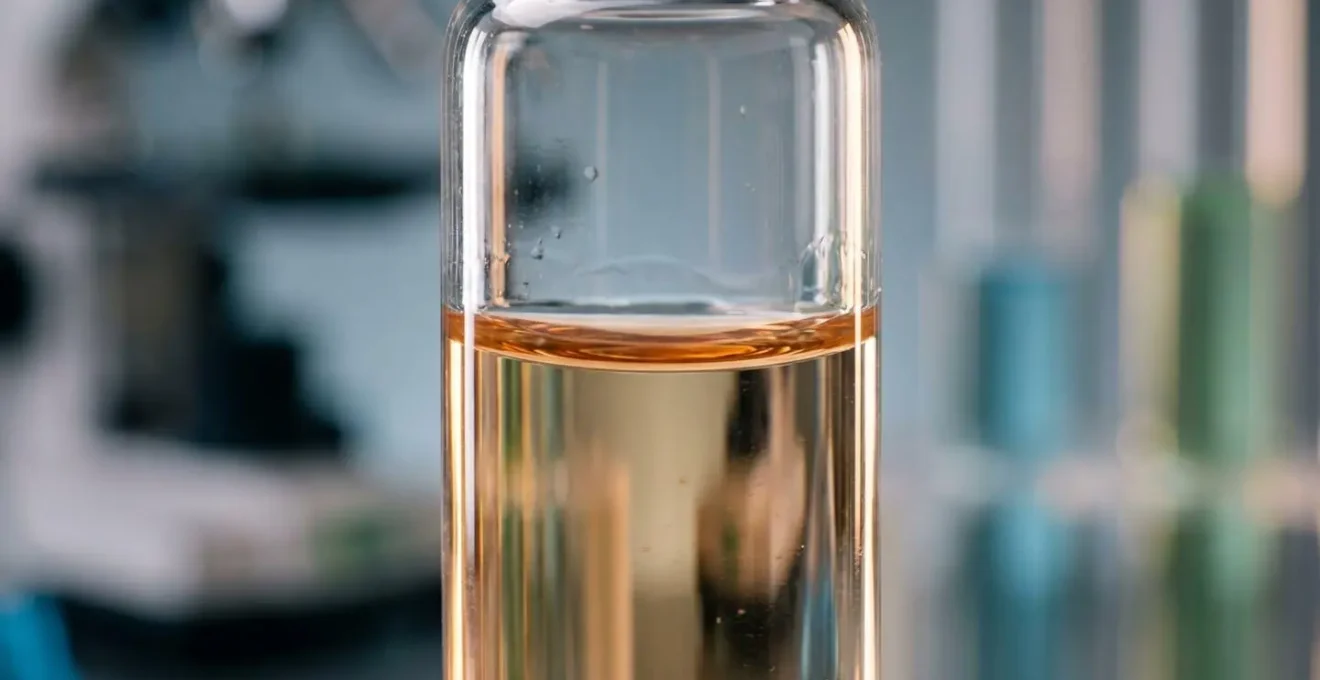
True e-liquid safety is not about blind trust in a brand; it’s about your ability to verify the scientific evidence of its purity.
- A legitimate Certificate of Analysis (CoA) from an ISO 17025 accredited lab is the only real proof of quality, detailing specific test results, not just vague “pass” statements.
- While TPD/TRPR regulations provide a crucial safety baseline by banning known toxins, they do not test for every potential contaminant, leaving gaps that reputable brands fill with voluntary, comprehensive testing.
Recommendation: Learn to request and interpret a brand’s batch-specific lab reports. A company’s transparency—or lack thereof—is the single most important indicator of their commitment to your safety.
As a health-conscious vaper, you stand before a wall of e-liquids, faced with a critical question: how can you be certain the liquid you’re about to inhale is free from harmful contaminants? The typical advice is to “buy from a reputable brand” or “check for a TPD-compliant label.” While these are valid starting points, they only scratch the surface of true product verification. A compliant label ensures the product meets minimum legal standards, but it doesn’t tell you the whole story about purity, ingredient sourcing, or batch-to-batch consistency.
The assumption that a higher price tag guarantees safety is equally flawed, as is the belief that a cheap liquid is inherently dangerous. The reality is more nuanced, rooted in the economics of manufacturing and the science of quality control. True confidence doesn’t come from marketing claims or price points; it comes from understanding the evidence. What if the key to safety wasn’t just trusting a brand, but being able to independently verify its claims?
This guide is designed to empower you with the knowledge of a laboratory specialist. We will move beyond the superficial labels and delve into the science of e-liquid safety. You will learn precisely what to look for in a Certificate of Analysis, understand the critical testing required for legal sale in the UK, grasp the tangible difference between ingredient grades, and gain the confidence to demand transparency from the brands you use. This is your guide to becoming an informed consumer who can differentiate between perceived quality and verifiable purity.
This article will provide a detailed roadmap to understanding the markers of a genuinely safe e-liquid. Below is a summary of the key areas we will dissect to give you the tools for proper verification.
Summary: How to Verify E-Liquid Safety and Purity
- What Should You Look for in an E-Liquid’s Certificate of Analysis?
- Why Some £2 E-Liquids Skip Lab Testing and What You’re Really Inhaling?
- What Testing Does an E-Liquid Need to Pass Before Legal UK Sale?
- What Does “Pharmaceutical-Grade” Actually Mean for E-Liquid Ingredients?
- How to Ask an E-Liquid Brand for Their Lab Reports and What Refusal Indicates?
- Why TPD-Compliant E-Liquids Protect You From Unregulated Ingredients?
- What Impurities Exist in Non-Pharmaceutical PG and Do They Matter?
- Why Do Some £3 E-Liquids Taste Better Than £10 Bottles?
What Should You Look for in an E-Liquid’s Certificate of Analysis?
A Certificate of Analysis, or CoA, is the single most important document for verifying an e-liquid’s safety and quality. It is a formal report from a laboratory detailing the results of scientific testing on a specific product batch. However, not all CoAs are created equal. A legitimate, trustworthy report is more than just a piece of paper with a brand’s logo; it is a detailed scientific record. A vague report that only states “passes” or “conforms” without providing specific data is a significant red flag. True transparency means showing the actual, quantitative results of the analysis.
The most crucial element to verify is the laboratory’s credibility. The analysis must be performed by an independent, third-party laboratory, not the brand’s own in-house team, to avoid conflicts of interest. Furthermore, this lab should be accredited to ISO/IEC 17025, an international standard that confirms its technical competence and ability to produce precise and accurate test data. An analysis from a non-accredited lab carries little weight in the scientific community. The CoA must also be recent, typically issued within the last nine months, to be relevant to the products currently on the market.
When you examine a CoA, you are looking for specific, non-negotiable details that confirm its authenticity and relevance to the product in your hand. The product name and, most importantly, the batch or lot number on the report must exactly match the one printed on your e-liquid bottle. Without this match, you have no way of knowing if the report applies to your specific product. The CoA should clearly state the name and address of the accredited lab and document the specific test methods used for each result, proving a rigorous scientific process was followed.
Your checklist for a valid CoA:
- Verify that the product name and batch/lot number on the CoA match your bottle.
- Confirm the analysis was done by an independent lab with a listed name, address, and ISO/IEC 17025 accreditation number.
- Check that the report shows actual data and results from the lab assay, not just generic “pass” or “conform” statements.
- Look for the date of issue to ensure the certificate is recent (ideally within the last 6-9 months).
- Ensure the documented test methods are specified, confirming a rigorous scientific process was used.
Why Some £2 E-Liquids Skip Lab Testing and What You’re Really Inhaling?
The price difference between a £2 bottle of e-liquid and a £10 premium option is rarely just about branding or flavour complexity. More often, it reflects a fundamental difference in the manufacturer’s investment in quality control. Comprehensive laboratory testing is a significant operational expense, and for producers competing in the ultra-low-price market, it is one of the first corners to be cut. These costs are not trivial; they involve expensive equipment and the recurring expense of batch-to-batch analysis.
When a manufacturer forgoes rigorous testing, the consumer is the one who assumes the risk. Without batch-specific analysis, there is no guarantee of nicotine accuracy, ingredient purity, or freedom from contaminants. You could be inhaling significantly more or less nicotine than stated on the label, or worse, trace amounts of heavy metals, pesticides, or manufacturing by-products. These are not theoretical risks; they are the direct consequence of an untested and uncontrolled production process.
Case Study: The Economics of Quality Control
The global e-cigarette market is highly competitive, and maintaining low prices often comes at the cost of consistent manufacturing quality. The equipment required for proper analysis, such as High-Performance Liquid Chromatography (HPLC) and Gas Chromatography-Mass Spectrometry (GC-MS), represents a major capital investment. To maintain an ultra-low price point, budget manufacturers often reduce or eliminate crucial quality control steps. This includes skipping comprehensive batch-to-batch testing for consistency, forgoing detailed emissions analysis, and neglecting full safety panels for contaminants. While this strategy lowers production costs, it introduces significant liability risks and directly exposes the end-user to potentially poor-quality products. As one report on manufacturing quality standards notes, even minor contamination can lead to tangible issues like premature coil failure, demonstrating the direct link between purity and performance.
The decision to skip testing is an economic one. A manufacturer aiming for the lowest possible price on the shelf must minimize every production cost. This includes sourcing cheaper, potentially lower-grade raw ingredients and, crucially, avoiding the recurring expense of sending samples from every batch to a third-party lab for validation. What you are really inhaling from an untested, low-cost liquid is uncertainty: an unknown nicotine level and a potential cocktail of unverified ingredients and their impurities.
What Testing Does an E-Liquid Need to Pass Before Legal UK Sale?
For an e-liquid to be sold legally in the United Kingdom, it must comply with the Tobacco and Related Products Regulations (TRPR), which implemented the EU’s Tobacco Products Directive (TPD). These regulations establish a crucial safety baseline for all nicotine-containing e-liquids. Before a product can be placed on the market, the manufacturer must submit it to the Medicines and Healthcare products Regulatory Agency (MHRA) with a full dossier of information, including the results of specific laboratory tests. This process is designed to protect consumers from known harmful substances and ensure a degree of product consistency.
The core of TRPR/TPD testing revolves around two key areas: nicotine consistency and emissions. The regulations mandate that the actual nicotine content of the e-liquid must be consistent with the level stated on the label. Furthermore, emissions testing is required to check the vapour produced for specific harmful chemicals when the liquid is heated. This analysis focuses on key carbonyls like formaldehyde, acetaldehyde, and acrolein, which are known carcinogens. The regulations also enforce physical constraints, such as a maximum nicotine strength of 20mg/mL and a maximum bottle size of 10mL for nicotine-containing liquids, alongside requirements for child-resistant and tamper-evident packaging.
However, it is critically important to understand what TPD testing does *not* cover. While it provides a vital safety net, it is not a comprehensive purity screening. The TPD framework does not mandate testing for a wide range of other potential contaminants. For example, there is no required testing for:
- Pesticides that may be present in lower-grade vegetable glycerin (VG).
- Heavy metals that could leach from manufacturing equipment.
- A full toxicological panel of every flavouring compound used.
- Microbiological impurities or residual solvents from facilities not adhering to Good Manufacturing Practices (GMP).
This is where reputable brands go above and beyond the legal minimum. They voluntarily conduct more extensive batch testing to screen for these additional contaminants, demonstrating a commitment to quality that surpasses mere regulatory compliance. A TPD-compliant sticker is a sign of legality, not necessarily a hallmark of exceptional purity. It’s the floor, not the ceiling, of e-liquid safety.
What Does “Pharmaceutical-Grade” Actually Mean for E-Liquid Ingredients?
The term “pharmaceutical-grade” is often used in e-liquid marketing, but it has a precise and significant meaning rooted in official standards. When applied to ingredients like Propylene Glycol (PG) or Vegetable Glycerin (VG), it signifies that the substance meets the stringent purity and quality requirements set by a pharmacopeia, such as the United States Pharmacopeia (USP) or the European Pharmacopoeia (EP). These are the same standards required for ingredients used in medical applications, including inhalants and injections. For example, PG that is designated USP/EP grade must have a purity of more than 99.5%, with strictly controlled limits on any potential impurities.
The distinction between pharmaceutical-grade and lower-grade ingredients (such as food-grade or industrial-grade) is not merely academic; it has direct implications for safety. The primary difference lies in the level of acceptable impurities. While food-grade PG might also have a high purity level, the manufacturing process does not have to comply with the same rigorous Good Manufacturing Practices (GMP) as pharmaceutical production. Industrial-grade PG, used in products like antifreeze, has a much lower purity threshold and can contain significantly higher levels of contaminants that are toxic to humans if inhaled.
A key concern is the presence of toxic impurities like diethylene glycol (DEG) and ethylene glycol (EG). These substances can be present in non-pharmaceutical grade PG due to less-controlled manufacturing processes. Pharmaceutical-grade standards enforce extremely strict limits on these compounds due to their known toxicity. A brand’s commitment to using only USP/EP grade PG and VG is a powerful indicator of their dedication to safety, as it ensures the foundational ingredients of their e-liquid are of the highest possible purity, before any flavourings are even added.
The following table, based on information from an analysis of propylene glycol grades, illustrates the critical differences between them.
| Specification | Pharmaceutical-Grade (USP/EP) | Food-Grade | Industrial-Grade |
|---|---|---|---|
| Minimum Purity | 99.5% | 99.5% | 95%+ |
| Diethylene Glycol Limit | Strictly controlled (toxic impurity) | Controlled | Higher levels acceptable |
| Manufacturing Standards | GMP compliance required | FCC standards | No GMP requirement |
| Traceability | Full batch traceability | Standard traceability | Limited traceability |
| Regulatory Recognition | FDA approved for pharmaceuticals | GRAS for food use | Industrial applications only |
| Primary Application | Inhalation, injection, medicines | Food additives, flavorings | Antifreeze, coolants |
How to Ask an E-Liquid Brand for Their Lab Reports and What Refusal Indicates?
As an empowered consumer, your most powerful tool is the direct request for information. A transparent e-liquid brand with a genuine commitment to quality should be willing and able to provide you with a Certificate of Analysis (CoA) for their products. The best practice is to request a batch-specific report. You can find the batch number printed on the bottle of your e-liquid. This ensures the data you receive is directly relevant to the product you are using, not a “golden sample” from months or years ago.
When making your request, be polite, professional, and specific. State the exact product and batch number you are inquiring about. Clearly state that you are looking for a full CoA from an ISO 17025 accredited third-party lab. A brand’s response—or lack thereof—is incredibly telling. A transparent company will typically respond promptly with the requested documents or provide a clear link to where they are publicly available on their website. They see your request as an opportunity to prove their quality.
Conversely, a refusal, a long delay, or a defensive response should be treated as a major red flag. Common excuses might include “it’s proprietary information,” “we test in-house,” or providing a heavily redacted or outdated report. Any of these responses suggest that the company either does not perform regular, comprehensive testing or that the results are not something they want you to see. In a competitive market, a refusal to demonstrate product safety is a strong signal that you should take your business elsewhere, to a brand that values transparency and respects your right to be informed.
Here is a simple template you can adapt when contacting a brand. This structured approach shows you are an informed consumer and makes it clear what information you require.
Subject: Request for Certificate of Analysis – [Product Name] Batch [Number]
Dear [Brand Name],
I recently purchased your [Product Name] (Batch #: [found on bottle]). For my peace of mind, could you please provide the Certificate of Analysis for this specific batch? I’m particularly interested in seeing confirmation of testing by an ISO 17025 accredited laboratory and the full safety panel results, not just nicotine potency. If batch-specific reports aren’t available, could you share your most recent representative COA and explain your testing frequency?
Thank you for your commitment to transparency.
Best regards,
[Your Name]
Why TPD-Compliant E-Liquids Protect You From Unregulated Ingredients?
The TPD/TRPR framework in the UK and EU provides a powerful, often underappreciated, layer of protection against dangerous, unregulated ingredients. The regulations achieve this not just through testing, but through strict prohibitions on what can be included in a nicotine-containing e-liquid in the first place. This preventative approach is a key reason why the European market was shielded from the devastating EVALI (E-cigarette, or Vaping, Product Use-Associated Lung Injury) outbreak that occurred in the USA in 2019.
The EVALI crisis was strongly linked to the use of Vitamin E acetate, a thickening agent that was being added to illicit THC vaping products. This substance is safe when ingested but produces toxic compounds when heated and inhaled. As compelling research published in the New England Journal of Medicine found, Vitamin E acetate was identified in the lung fluid of 94% of EVALI patients studied. Under TPD regulations, adding such an unlisted and unapproved substance would have been illegal from the start. The rules explicitly ban ingredients like vitamins, oils, and caffeine in e-liquids, creating a “negative list” that prevents the kind of dangerous experimentation seen in unregulated markets.
Case Study: How TPD Prevented an EVALI-Type Crisis in the UK
The TPD regulations created a regulatory “firewall” that kept UK vapers safe from the EVALI outbreak. The substance responsible, Vitamin E Acetate, was used as a cutting agent in unregulated products. The TPD’s strict ingredient restrictions, which prohibit vitamins and oils, meant that this specific additive was already illegal in the UK and EU nicotine vape market. The requirement for manufacturers to submit a full list of ingredients for every product to the MHRA creates accountability and a clear paper trail, deterring the use of dangerous, unlisted components. The crisis in the US was a stark reminder of the dangers of an unregulated market, and a powerful validation of the TPD’s protective, preventative approach.
The Centers for Disease Control and Prevention (CDC) in the US was unequivocal in its warning following the outbreak. As they stated in their official report:
Vitamin E acetate is strongly linked to the EVALI outbreak and should not be added to any e-cigarette, or vaping, products.
– Centers for Disease Control and Prevention, Morbidity and Mortality Weekly Report
This illustrates the core benefit of the TPD framework. By controlling the list of allowed ingredients and mandating disclosure, it creates a regulated ecosystem that actively prevents many of the worst-case scenarios from ever reaching the consumer.
What Impurities Exist in Non-Pharmaceutical PG and Do They Matter?
Yes, they matter immensely. The difference in purity between pharmaceutical-grade Propylene Glycol (PG) and lower, industrial grades is defined by the presence of impurities. While the PG itself may be the same molecule, the by-products and contaminants from the manufacturing process can be vastly different and carry significant health risks, especially for a product that is intended for inhalation. These impurities are not benign; they are often toxic compounds that are strictly limited in medical-grade products for good reason.
The two most concerning impurities are diethylene glycol (DEG) and ethylene glycol (EG). Ethylene glycol is the primary component of automotive antifreeze and is highly toxic to humans. Diethylene glycol is also a toxic industrial solvent that has been responsible for mass poisonings when it has been mistakenly substituted for its non-toxic cousin, glycerin, in consumer products. While present in only trace amounts in lower-grade PG, any level of these substances is unacceptable for inhalation. As laboratory quality standards specify, diethylene glycol is strictly controlled in pharmaceutical-grade PG due to these significant toxicity risks.
Other impurities can also be present in non-pharmaceutical grade PG. These can include:
- Propylene Glycol Dimers and Trimers: These are polymerization by-products that are formed during the manufacturing process and are not fully characterized for inhalation safety.
- Water Content: Higher and less controlled water content can affect the stability and consistency of the final e-liquid product.
- Heavy Metal Traces: Contaminants like lead or mercury can leach from non-GMP-compliant manufacturing equipment.
- Residual Catalysts: Chemicals used to facilitate the manufacturing reaction that are not fully filtered out of the final product.
When an e-liquid brand states they use only USP/EP grade ingredients, they are communicating that they have invested in a supply chain that actively eliminates these specific risks. It is a foundational commitment to safety that starts with the purest possible raw materials, ensuring that these known toxic impurities are not part of the product you are vaping.
Key Takeaways
- A valid Certificate of Analysis (CoA) from an ISO 17025 accredited lab is the gold standard for verifying purity, not just a brand’s promise.
- TPD/TRPR compliance is a crucial baseline for safety by banning known toxins, but it does not test for all potential contaminants.
- The term “pharmaceutical-grade” signifies a specific purity standard (e.g., >99.5%) that is essential for preventing toxic impurities like diethylene glycol.
Why Do Some £3 E-Liquids Taste Better Than £10 Bottles?
It’s a common and perplexing experience for many vapers: you try a cheap £3 e-liquid and are immediately impressed by an intense, overwhelming wave of flavour, which can sometimes seem more satisfying than a subtle, more expensive £10 bottle. This phenomenon is not necessarily an indicator of better quality flavourings. In fact, it is often the opposite. This immediate flavour “hit” is frequently achieved through the heavy-handed use of sweeteners and flavour enhancers.
Budget e-liquid manufacturers often rely on additives like Sucralose, Ethyl Maltol (which imparts a distinctive candy-floss taste), and powerful cooling agents (like WS-23) to create a powerful, single-note flavour profile. These additives are effective at masking the taste of lower-quality base flavourings and creating an initial perception of a “tasty” vape. However, this comes with a significant hidden cost that negates any initial savings on the bottle price.
The Hidden Cost of Sweeteners
The intense sweetness of many budget e-liquids is a deliberate formulation choice designed for immediate impact. However, the high concentration of sweeteners like sucralose has a well-known side effect: it rapidly caramelizes on the heating coil inside your device. This process, often referred to as “coil gunking,” creates a thick, dark residue that insulates the coil, leading to a burnt taste, reduced vapour production, and ultimately, premature coil failure. A coil that might last for weeks with a premium, less-sweetened liquid could be ruined in just a few days. This turns the cheap bottle of e-liquid into a more expensive long-term proposition, as the cost of frequent coil replacements quickly outweighs the initial savings.
Premium e-liquids, in contrast, tend to focus on creating complex, multi-layered flavour profiles using higher-quality flavour concentrates with minimal added sweeteners. The taste may be more subtle and nuanced, designed to be enjoyed over time without overwhelming the palate or destroying coils. As one e-liquid quality analysis points out, “Higher levels of certain impurities can also lead to a harsh, unpleasant taste and increased coil gunking,” linking not just sweeteners but overall purity to device longevity. The perceived “better taste” of a cheap liquid is often a short-lived illusion, a blast of sweetness that masks a simpler formulation and carries a tangible long-term cost.
Your safety and satisfaction as a vaper depend on making informed choices. This guide has provided you with the foundational knowledge to move beyond marketing claims and assess e-liquid quality based on scientific evidence. The power now lies in your hands to demand transparency and vote with your wallet for brands that prioritize your health. Your next step is to apply this framework. Start by requesting a Certificate of Analysis for your favorite e-liquid and begin making truly informed decisions about what you inhale.